
Air Jordan Resale Market: Savvy Tips for Buying and Flipping
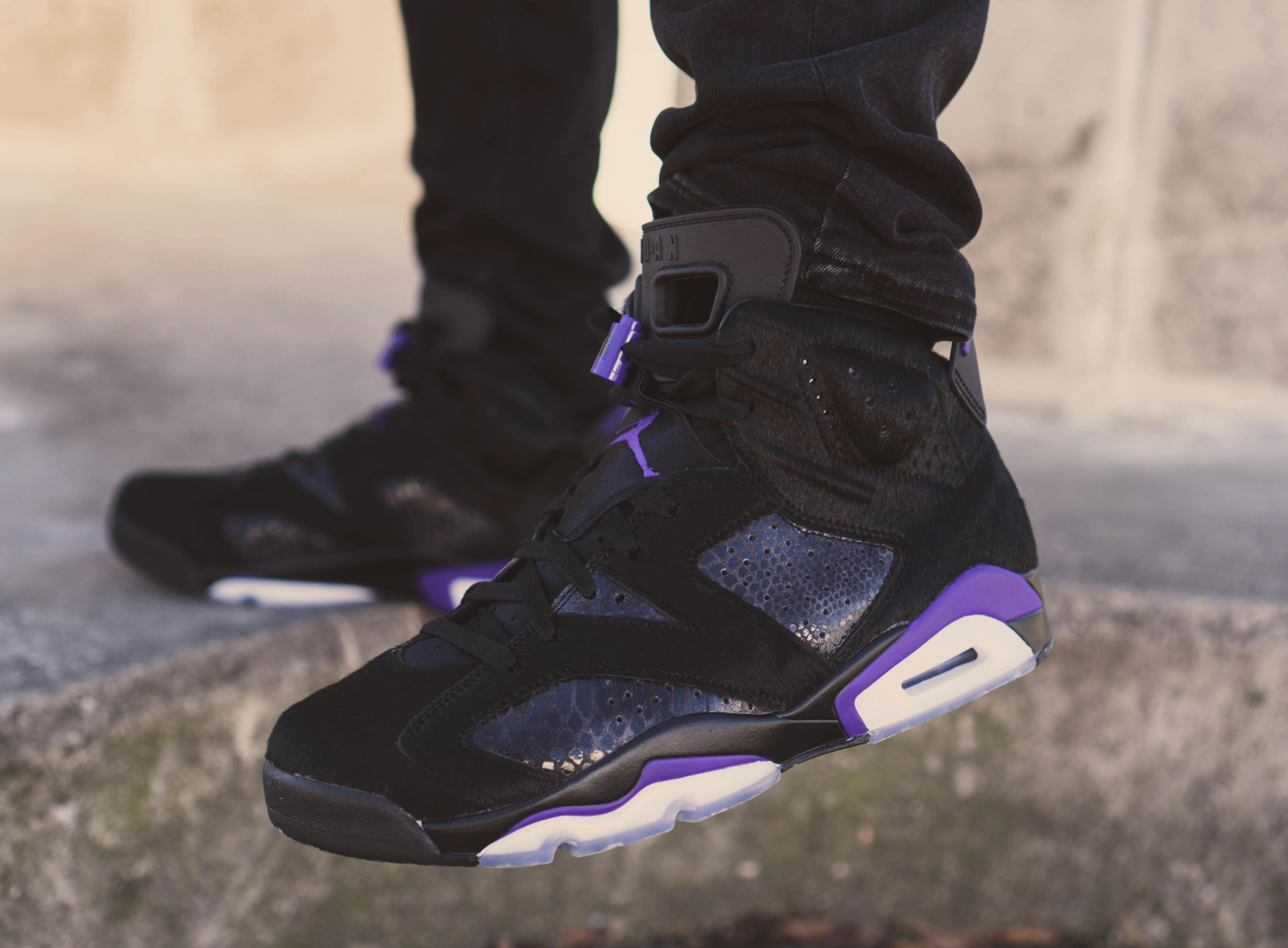
Having grown from a fringe collector’s pursuit into a multi-billion-dollar market, the Air Jordan resale market now runs with the complexity of a stock exchange. Kicks that sell at retail for $170 can sell for $500, $1,000, or even $10,000 depending on silhouette, color, and rarity. For consumers, this marketplace provides access to sold-out releases and classic grails that would otherwise be impossible to find. For sellers, it constitutes a legitimate income stream that numerous individuals have built businesses around. But navigating this ecosystem without knowledge is a surefire way to getting ripped off or being defrauded. Whether you aim to cop a pair below market price or flip your newest SNKRS win for cash, mastering the ins and outs of the Air Jordan resale economy in 2026 is crucial.
Grasping the Resale Ecosystem
The modern sneaker resale market functions through a small number of leading services, each with different commission structures and customer bases. StockX pioneered the “stock market for sneakers” model, levying sellers a fee between 8 and 10 percent according to seller level. GOAT runs a like marketplace but includes the ability to sell used sneakers alongside factory-sealed pairs, widening the buyer pool. eBay rejoined the authenticated sneaker space with its Authenticity Guarantee service and currently assesses zero seller fees on sneakers over $150, rendering it the most cost-effective channel for sellers in 2026. Nearby consignment shops like Flight Club collect a higher 15 to 20 percent fee but provide face-to-face verification and on-the-spot cash. Social media still drive considerable peer-to-peer sales, though without platform authentication the chance of fraud is markedly higher. Knowing each platform’s fee structure allows you to make informed choices based on whether you value the highest return, quick sales, or safety.
What Drives Resale Prices
Aftermarket pricing follows trends driven by identifiable market forces. The chief driver is scarcity — limited runs under 50,000 pairs consistently command significant markups, while general releases above 200,000 pairs usually move at or below retail after early excitement dies down. Collaboration status enormously inflates worth: a Travis Scott or Off-White joint release can inflate 300 to 800 percent to secondary market price compared to a basic edition of the same silhouette. OG here colorways that Michael Jordan actually wore during competitive play perpetually command higher prices than contemporary takes of the same model. The state of the pair is another important element, with factory-fresh pairs earning a 30 to 50 percent price increase over near-new pairs. The most common men’s sizes (9 through 11) usually have higher supply on marketplaces, while outlying sizes commonly earn premiums due to limited supply. Resale values usually hit their highest during November and December holiday shopping and fall during quieter the summer period.
| Marketplace | Seller Fee | Authentication | Payout Time | Used Sales | Ideal For |
|---|---|---|---|---|---|
| StockX | 8–10% | In-house physical | 3–7 business days | No | Transparent pricing data |
| GOAT | 9.5% + shipping | On-site inspection | 3–5 business days | Yes | Selling used pairs |
| eBay | 0% (over $150) | Third-party physical | 1–3 business days | Yes | Best seller margins |
| Flight Club | 15–20% | On-site specialists | Same-day cash | Yes | Immediate payouts |
| Instagram / Facebook | 0% | No verification | Same-day | Yes | Zero-fee peer-to-peer |
Intelligent Purchasing Tactics
The timing of your purchase is the single most powerful lever for obtaining Air Jordans beneath peak aftermarket prices. Most highly anticipated releases display a reliable curve: costs jump straight after drop day as secondary market sellers exploit immediacy, then steadily drop over two to six weeks as initial demand is absorbed and additional inventory hits the market. Delaying your purchase 30 to 45 days after launch can cut your costs by 15 to 30 percent compared to launch-day resale, according to past data on StockX. Creating bid notifications on platforms like StockX and GOAT enables you to define your budget and hold out for a seller to match your offer, rather than accepting the listing price which always represents the most optimistic seller pricing. Cross-referencing prices across several sites before committing is crucial because the same model in the same size can differ by $20 to $80 between StockX, GOAT, and eBay at any point in time. For legacy retro releases not caught in a present hype wave, costs often bottom out during June through August when sneaker market activity usually softens. Finally, purchasing in non-standard sizes can occasionally give you an edge because these sizes have fewer active bidders competing for the same scarce stock.
Selling for Maximum Profit
Strategic selling begins well before you publish a pair — it begins with securing the correct pairs through authorized retailers at the lowest possible cost basis. Entering every open lottery for hyped launches through Nike SNKRS, Foot Locker, JD Sports, and local boutiques enhances your likelihood of obtaining shoes at retail, which is the cornerstone of resale profitability. Listing speed matters significantly: posting your pair within the first 24 to 48 hours after drop, when FOMO is at maximum and inventory on platforms is still restricted, typically yields the maximum selling price for that release cycle. Photograph your stock extensively and maintain the original box in flawless condition, because buyers on legit platforms spend significantly more for pairs that show up in mint-condition boxes with all original accessories present. Follow comparable completed sales — not just active listings — to calibrate market-aligned asking prices, since inflated asks go unnoticed while the marketplace leaves you behind. Evaluate platform selection thoughtfully: eBay’s no-fee policy on sneakers above $150 means you retain approximately 10 percent more than on StockX, translating to $30 to $50 additional profit per pair.
Ensuring Legitimacy and Steering Clear of Fakes
Replica Air Jordans have gotten frighteningly refined in 2026, with some replicas almost indistinguishable from genuine pairs without trained eyes. The most secure approach for consumers is acquiring solely through marketplaces with hands-on verification — StockX, GOAT, and eBay’s Authenticity Guarantee each employ trained authenticators who physically inspect every pair before it arrives at the buyer. For person-to-person deals through Instagram or local meetups, purchase a UV blacklight that shows hidden quality-control marks replica makers rarely copy, and a jeweler’s loupe for inspecting sewing details and fabric textures at magnification. Warning signs include suspiciously low prices, vendors who won’t share close-up photos, and vague “authenticity guaranteed” claims without naming a authentication method. Companies like CheckCheck and Legit Check feature app-based authentication where you send photos and receive a professional assessment for $3 to $10 per check. For resellers, confirming inventory authenticity preserves your credibility and prevents costly refund claims — platforms will punish or suspend sellers who dispatch inauthentic items, even unknowingly.
The Industry Projection for 2026 and Coming Years
The Air Jordan resale market in 2026 sits at an intriguing pivotal moment shaped by competing forces. Jordan Brand has expanded supply on many retroed models, softening premiums on general releases and moving average markups down from COVID-era highs. Nevertheless, ultra-limited collaborations and OG editions keep on command robust markups, demonstrating the market is bifurcating between affordable releases and highly restricted merchandise. According to findings from Cowen & Company, the global sneaker resale market is projected to reach $30 billion by 2030, with Air Jordans remaining the single most traded brand. For individual participants, this development means more trading volume, greater market transparency, and more competitive pressure — conditions that advantage knowledge and patience over impulse. Whether you view the market as a collector seeking grails or a reseller growing an enterprise, the fundamentals remain: purchase what you know, choose your selling window carefully, verify every pair, and handle the market like the serious financial pursuit it is.